
Store Your Solar Energy and Use It When You Need It
Home battery storage helps you use more of the electricity your solar panels generate, with clear advice from a local Welsh renewable energy team.
Solar panels often generate power when your home is using less.
A lot of Welsh homes generate useful solar electricity during the day, then use more energy in the evening when the kettle, cooking, washing machine, lighting and TV all come on.
Battery storage helps bridge that gap. Instead of exporting more of your unused solar electricity, a battery can store it so you can use more of your own energy later.
The right battery size depends on your solar system, usage pattern, tariff and property. We’ll look at the numbers before recommending a setup.
How solar battery storage works
Generate power in the day
Your solar panels generate electricity during daylight hours. Your home uses that electricity first.
Store the excess
When your panels generate more than you are using, the battery stores surplus electricity for later.
Use it later
The stored electricity can then support your home in the evening, overnight or during peak tariff periods.
What a home battery can help with
Use More Solar
Keep more of the electricity your panels generate instead of exporting it straight away.
Peak Time Support
Use stored energy when grid electricity is more expensive, depending on your tariff and setup.
Smart Controls
Modern systems include app monitoring, energy usage data and charging settings.
Future Ready
Battery storage can be planned alongside EV chargers, heat pumps and other electric home upgrades.
Can you have a battery without solar panels?
Yes, in some homes a battery can be charged from the grid, often alongside a suitable energy tariff. That can make sense for certain usage patterns, but it needs to be designed carefully.
For most homeowners, the first conversation is whether battery storage improves an existing or planned solar PV system. We’ll explain both options in plain English.
What we check before recommending a battery
Your solar generation
We look at how much electricity your system produces and how much is likely to be exported.
Your usage pattern
Evening usage, home working, EV charging and electric heating plans can all affect the right battery size.
Installation location
We consider practical battery placement, access, ventilation, cable runs and how tidy the installation can be.
Controls and tariff
We’ll talk through monitoring, smart settings and whether your electricity tariff suits battery storage.
Installed neatly in a suitable part of your home.
Battery systems can often be installed in garages, utility spaces, loft areas or other suitable locations. The right position depends on the system, property layout, access and manufacturer guidance.
During a survey we’ll talk through where the battery, inverter and associated equipment can be placed so the installation is practical and tidy.
- Wall-mounted and floor-mounted options where suitable.
- Smart monitoring through compatible apps.
- Advice for homes with solar panels, EV chargers and heat pumps.
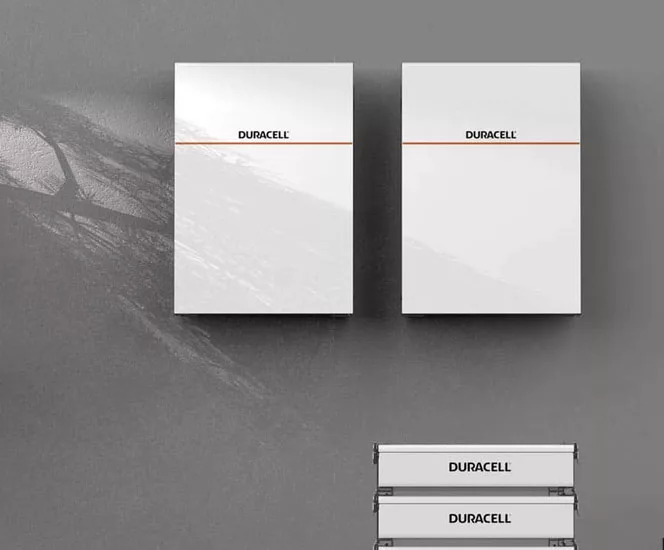
Battery systems from trusted manufacturers
We can advise on suitable battery storage systems depending on your existing solar setup, property, budget and the way you use electricity at home.



Local renewable energy advice for the whole home.
Welsh team
We install and support renewable energy systems across South, Mid and West Wales.
Solar background
Battery storage works best when it is designed around real solar generation and home usage.
Joined-up advice
We can advise on batteries alongside solar panels, EV chargers, heat pumps and air conditioning.
Want to know if battery storage is worth it for your home?
Book a free home survey and we’ll give you practical advice based on your solar setup, energy use and property.
Battery storage can support a wider home energy plan.
If you’re also thinking about solar panels, EV chargers, heat pumps or home air conditioning, we can look at how your electricity use may change.
That helps us recommend a battery setup that fits where your home is going, not just how it uses energy today.
Questions homeowners ask us during battery surveys
How much does a home battery cost?
Costs vary depending on battery capacity, inverter setup, existing solar equipment, cable runs and installation location. We’ll confirm the right option after looking at your property and energy use.
Can I add a battery to my existing solar panels?
Often, yes. It depends on your current inverter, system age, available space and how much excess solar electricity you generate.
Can a battery work without solar panels?
Yes, some systems can charge from the grid, but whether that is worthwhile depends on your tariff and usage pattern. We’ll explain the pros and cons before recommending it.
Will a battery keep my home running during a power cut?
Some battery systems can provide backup power, but not all installations include this feature. Backup capability must be designed correctly and may only support selected circuits.
Where can a battery be installed?
Common locations include garages, utility areas and other suitable spaces. The right location depends on the system, access, ventilation, temperature range and manufacturer guidance.
How long do home batteries last?
Battery lifespan depends on the manufacturer, usage, operating conditions and warranty. We’ll talk through the expected warranty and support for any system we recommend.
Get advice on the right battery for your home.
Tell us a little about your property and current setup. We’ll come back to you about a free survey and practical battery storage advice.
- Existing solar system or new solar and battery package.
- Advice on battery size and installation location.
- Clear quote based on your property and usage.